
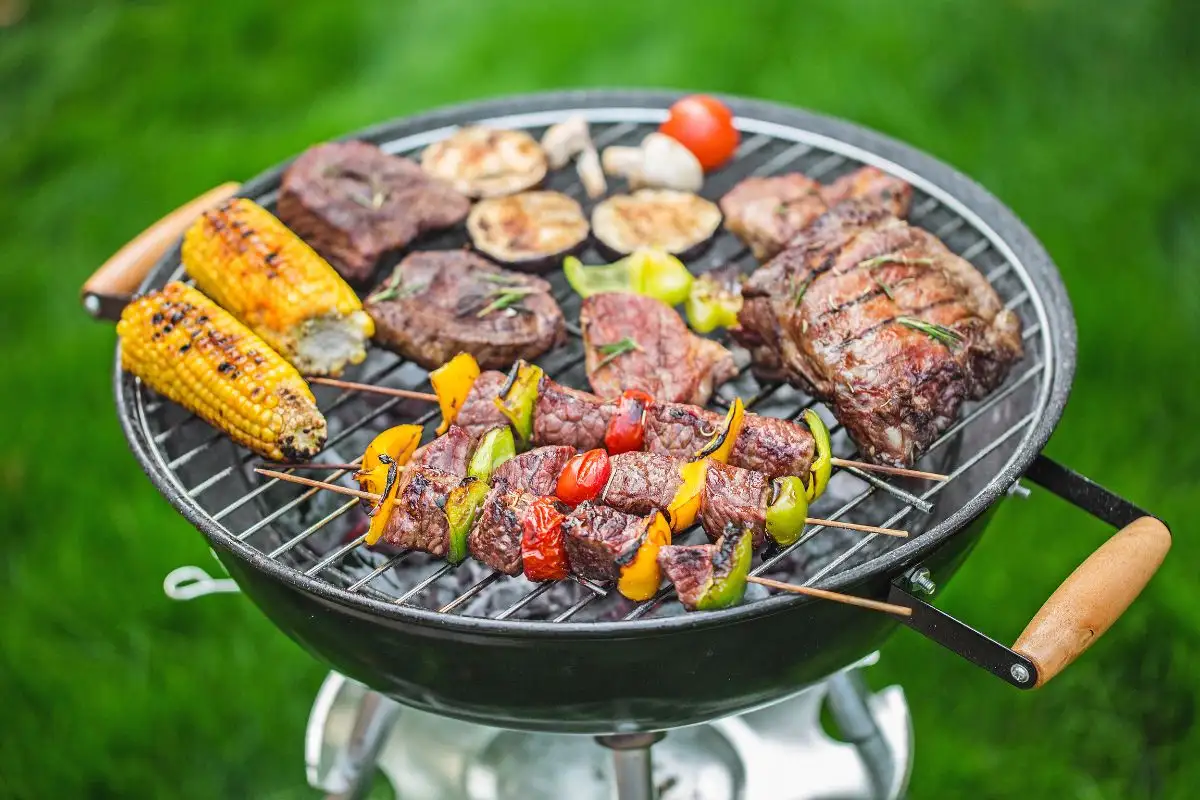
Coconut charcoal grilling has rapidly become the preferred method for pitmasters and home cooks seeking a cleaner, more controlled barbecue experience. Derived from sustainable coconut shells, this fuel offers significant advantages over traditional lump charcoal and briquettes due to its high purity and exceptional performance metrics. Mastering coconut charcoal grilling requires understanding the fuel’s unique characteristics and applying proper lighting and heat management techniques consistently.
Why Choose Coconut Charcoal for Grilling
The superior quality of coconut charcoal briquettes fundamentally changes the grilling experience. This fuel’s performance is directly linked to the precise briquettes production process used by reputable manufacturers.
Performance Metrics: The Clean Advantage
Coconut briquettes are known as clean burning charcoal because they contain extremely low volatile matter (VM). This results in an odorless, smokeless burn once fully ignited, ensuring the fuel does not affect flavor. High Fixed Carbon (FC) levels typically 78% or higher provide intense, long lasting heat.
They also have ultra low ash content (often below 2.5%), allowing stable airflow throughout the cook without frequent grate cleaning. This consistent burn makes coconut charcoal one of the most efficient grilling fuels available.
Sustainability and Sourcing (H3)
Choosing coconut charcoal supports environmental sustainability by using agricultural waste coconut shells instead of cutting down trees. This responsible sourcing model contributes to a greener, more ethical charcoal industry. For users and businesses, this also aligns with the growing global demand for environmentally responsible cooking fuels.
For detailed guidance on sourcing and export opportunities, you can refer to trusted industry resources such as Jacoid.com, which offers insights into global charcoal procurement and trade.
Mastering Coconut Charcoal Grilling Techniques
Although coconut charcoal lights slightly slower than traditional fuels, its stable heat output and long burn time make it ideal for controlled grilling.
Lighting and Preparation
Use a chimney starter to safely and evenly ignite coconut charcoal. Wait until the briquettes turn fully gray with a glowing red core before spreading them on the grill. This ensures the signature smokeless burn that coconut charcoal is known for.
Heat Management Methods
Coconut briquettes perform exceptionally well with both direct and indirect heat setups:
-
Direct Heat: Ideal for fast cooks like steaks and burgers. The consistent high heat delivers restaurant quality searing.
-
Indirect Heat: Perfect for smoking or slow roasting. The long burn time often over three hours maintains stable temperatures throughout extended cooks.
Fuel Selection and Buying Guide
Choosing the right fuel ensures the best grilling results and prevents unexpected performance issues.
Selecting the Right Shape and Density
Cube and hexagonal briquettes are recommended for grilling due to their uniform density and shape, which allow precise heat control. Always choose products marked “BBQ and Food Grade,” ensuring natural binders and no chemical additives.
For cooking focused applications, professional buyers often look for suppliers specializing in coconut briquettes for cooking, which are optimized for stable heat, food safety, and long burn duration.
Sourcing the Best Place
For commercial buyers, the best place to buy charcoal briquettes is directly from certified exporters in Indonesia. This provides consistency, clear documentation, and access to fixed carbon and ash test results before purchase.
Conclusion
Coconut charcoal grilling delivers a cleaner, hotter, and more sustainable cooking experience compared to traditional charcoal. By understanding how to light, manage, and select the best fuel, users can achieve professional grade grilling results at home or in commercial kitchens. This modern approach to barbecue continues to grow in popularity thanks to its efficiency, environmental benefits, and superior flavor performance.